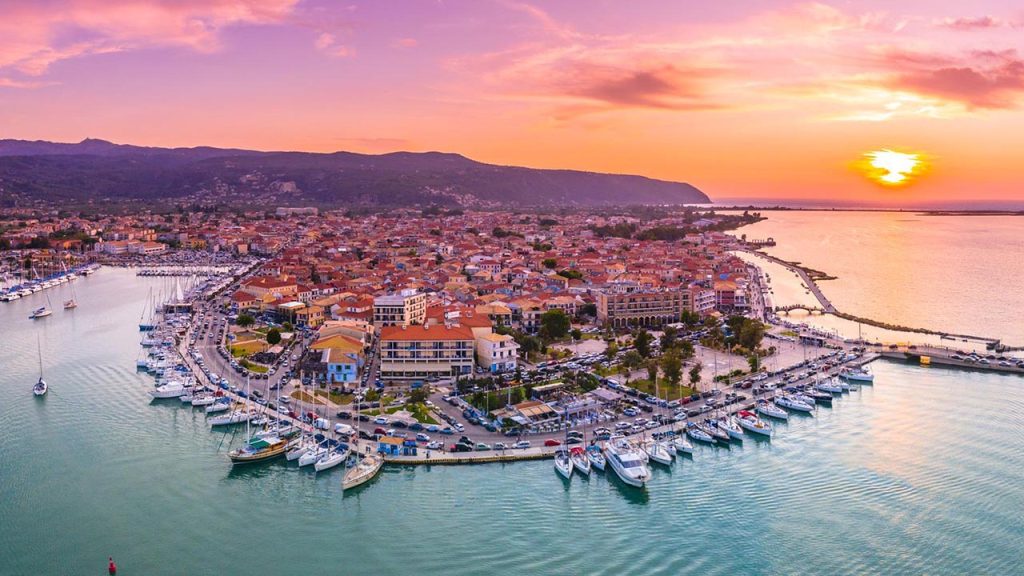
The most important natural beauties that the visitor may encounter on his journey of getting to know Lefkada are:
The Vulture: a narrow strip of white sandy beach 7 km long, hugging the lagoon in the northern part of the island, making the landscape unique. It starts almost behind the castle of Agia Mavra, creating Ammoglossa, and reaches the other end, beyond the town.
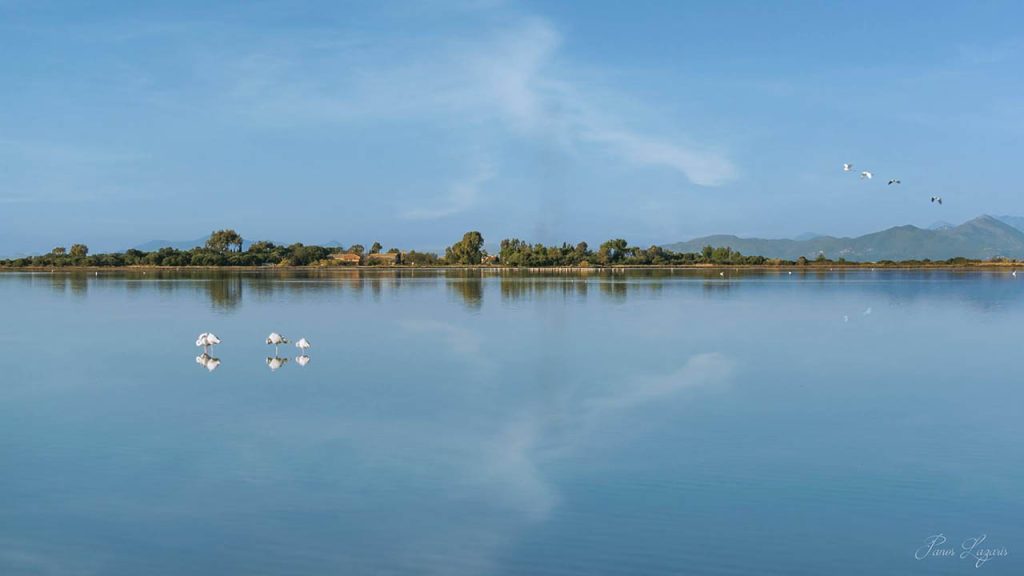
The Lagoon in the town of Lefkada and the Lagoon of the Straits are landscapes of outstanding natural beauty. They are included in the NATURA 2000 network as protected areas of particular ecological importance. The area of the Lagoon Lagoon in the town of Lefkada is also of interest as a bird migration station, classified by the RAMSAR Convention as a wetland of international importance. Many rare species of birds can be found there, such as heron swans, egrets, caiman, various species of gulls, ducks and geese. Inside the lagoon there is the Ivory Coast, fish farms with special, traditional reeds, where fish live and grow in natural conditions.
O ελαιώνας: To the north of the town of Lefkada lies the olive grove, with old olive trees. When the Turks first came to the island there were already around 8500 olive trees, both in the plain of Lefkada and in the villages of Apolpena, Frini and Agios Nikitas. The Venetians who returned in 1684 made the planting of olive trees compulsory. Thus the Venetians wanted to compensate for the damage they caused to the inhabitants by destroying shipping and trade, moving the town away from the castle and imposing heavy taxation. And further, by replacing the grain, which until then had been sown in the plain with olives, they kept the inhabitants at a disadvantage so that they could control them by supplying the grain themselves.
The Pefkoulia: After the village of Tsoukalades and on the road to Agios Nikitas the olive trees are replaced by a forest of pine trees. These are the so-called Pefkoulia that cover this entire area and reach the sea, ending in a large sandy area also called Pefkoulia.
The Salt Flats: On the other side, to the east, outside the town of Lefkada, there are the salt pans of the town. They have ceased to operate since 1947, but together with the Alexandros salt pans located near the bay and the port of Drepano, they are an important part of the history of the place, which should be preserved. The first salt pans were built by Franks, of Tokki, in the early 15th century and covered an area of 500 acres. They consisted of 26 halopiya or pans. Under the Venetians, these salt works supplied salt to the Venice market and from there to all the markets of northern Italy and Central Europe. The second salt works were created by the Venetians of Morosini in 1684 on an area of 50 hectares with 34 pans. The salt works of Lefkada provided large quantities and good quality salt. Sheltered from the wave, they were open areas with high sunshine and dry summer. The sea water evaporated quickly and left the salt at the bottom of the pan, stayed for a few days and then was carried on the shoulders and heads of workers to the large central pile for processing and collection at the end of August. It was hard and dangerous work for the women workers who carried 25 to 30 kilos barefoot on their backs.
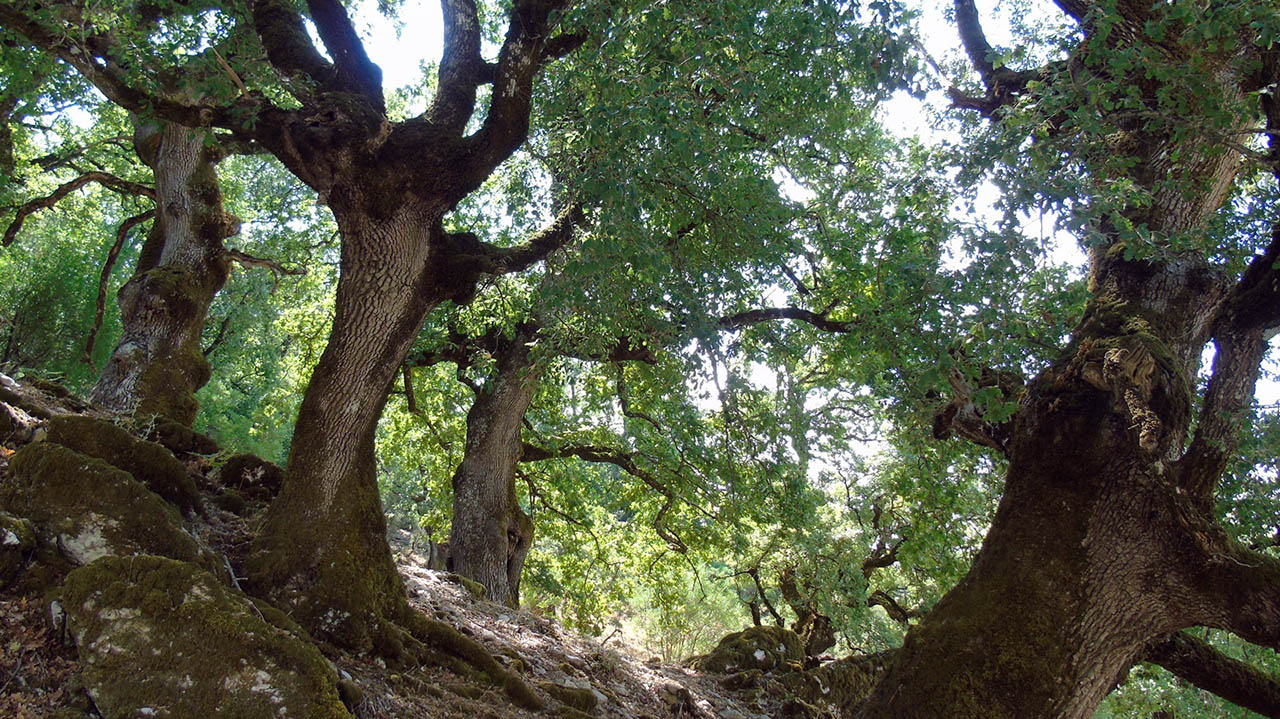

The Forest of Scars: an important natural monument in this area is the forest of Skari. This forest has a rare flora with a hard-to-find oak species. There is enough evidence to indicate that this forest was the property of the Turk Ahmet Agha, during the Turkish occupation, who sold it for a paltry sum to the priests of the Monastery of St. George in Skarios.
Website hosting https://createmyweb.gr