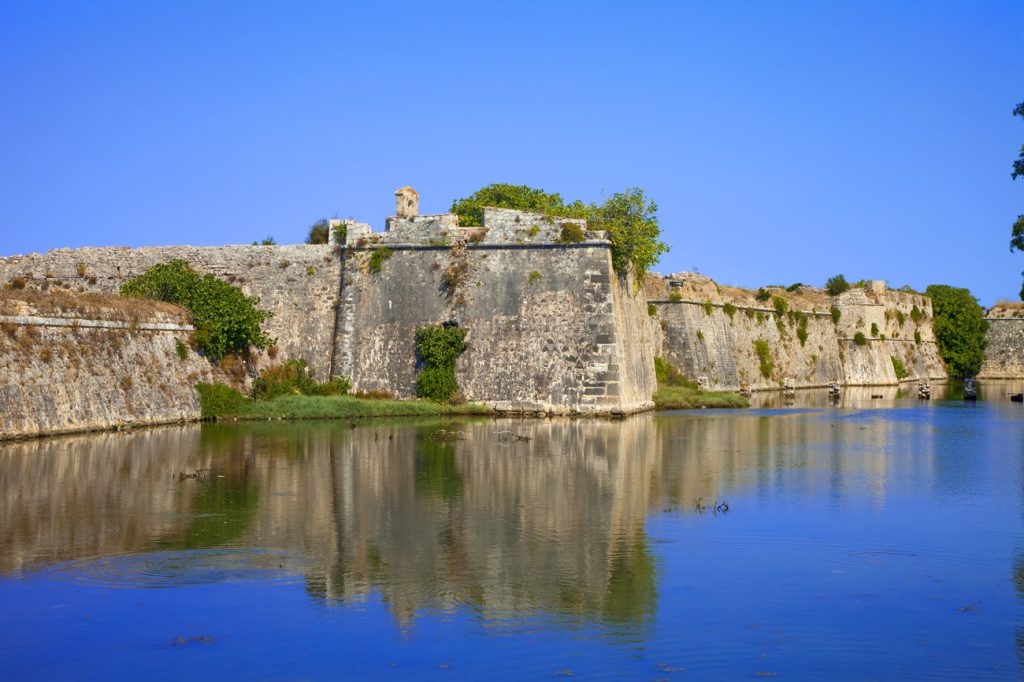
The castle of Agia Maura, which dominates the entrance of the island, is one of the most imposing medieval buildings in Greece and is a model of fortification art of that era. It was built around 1300 by the Frankish ruler John Orsini, when he took Lefkada as a dowry for his marriage to the daughter of the Despot of Epirus, Nikiforos I.
The castle protected the capital of the island and was its most important defensive shield against pirates and other enemies from the first decade of the 14th century until 1684. In 1479 it was occupied by the Turks, who built a large arched bridge with 360 arches that crossed the lagoon from the beach to the Kalkani site, supporting the pipes of an aqueduct that brought water to the castle. This project, which characterised the entire area, was destroyed by the earthquakes. Some traces of it are still preserved today in the lagoon.
Today, the Ministry of Culture and Tourism is carrying out restoration and enhancement works of the interior of the site. During the Turkish occupation in Lefkada, in the inner area of the fortress, there was the town of Agia Maura, which was the capital of the island of Lefkada.
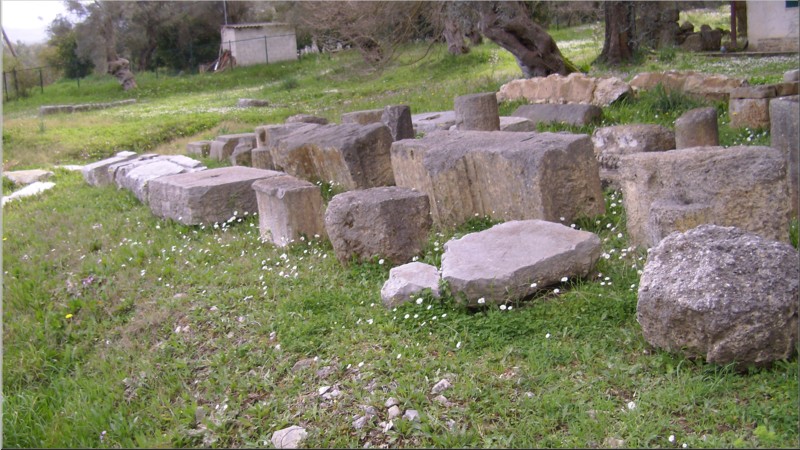
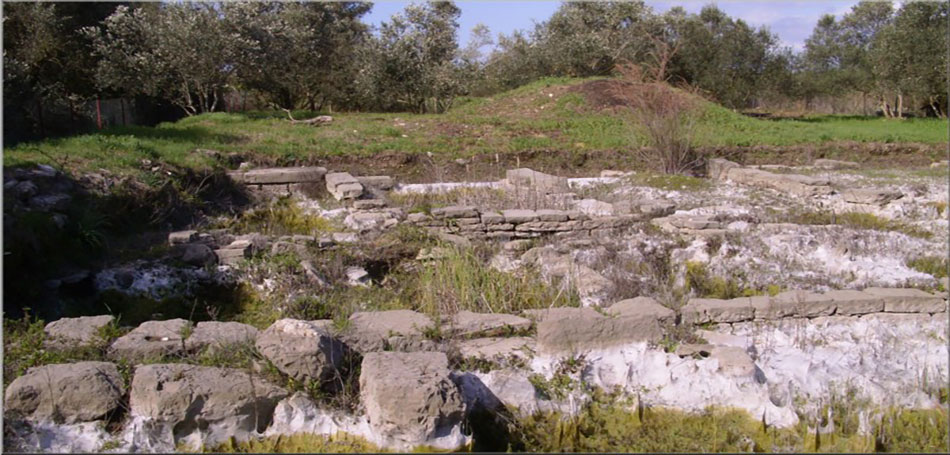
Nericus: Two kilometers outside and east of the town, passing through the olive grove, the visitor reaches Kalligoni. The area has been declared an archaeological site - since this is where the ancient city of Lefkada, called Nirikos, was located - and extends to the areas of Tsechlimpos, Kalligoni, Karyotes, Lygia, of the Municipality of Lefkada.
This archaeological site includes the ruins of the walled settlement of Ancient Lefkada, dating from Archaic to Roman times, the two cemeteries of the ancient city that were found in the same area, individual monuments and scattered building remains such as tombs, farmhouses and port facilities which, according to the relevant decisions, form an integral part of the protected monumental complex of the ancient city, which was abandoned around 1300 and subsequently scattered by the continuous earthquakes.
Nirikos is the longest living capital of the island of Lefkada until 1300 AD. It has gone through a remarkable historical course. From the depths of antiquity as «Nirikos» later under the Corinthians as «Nirikos - Lefkas» and survived until the late Byzantine era under the name «Kastro».
Its history was interrupted by the Franks who moved the capital of the island to the fortress of Agia Mavra which they built themselves, while in 1684 the Venetians designated a new location as the capital, the one where it is today and where it was then called Amaxiki.